Learn shared foundations, then work with real industry materials.
Basketball track
From evidence of actions to game records and replay quality checks.
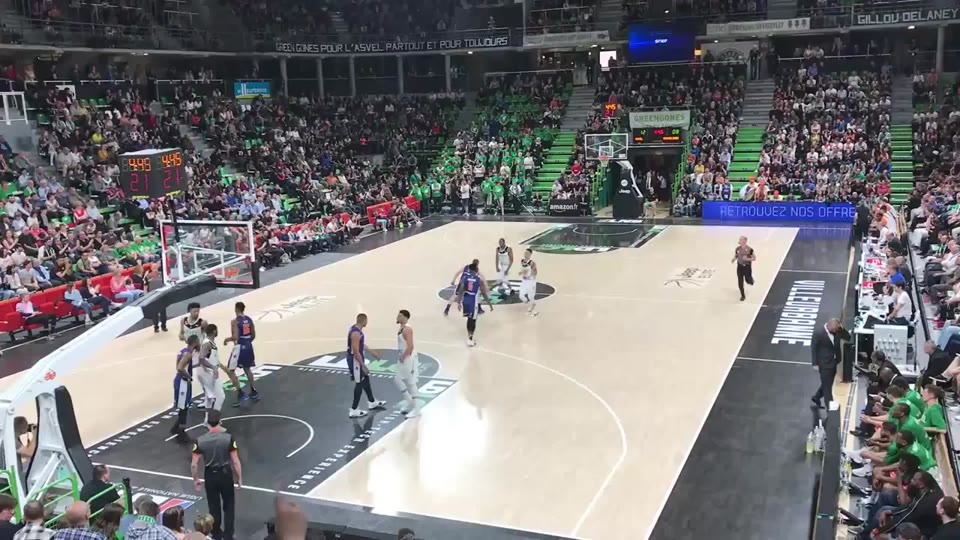
Use real clips to record verifiable releases, anonymous identities and player relationships. Distinguish the original broadcast from replays, repair deliverables against the rules, and use two unseen sources to hand off complete packages with evidence-backed unresolved items.
Courses follow your selected language. Revisit the shared foundations as needed; each project below includes real material, practical tasks and a review.
Course footage preview
From evidence-based judgment to a complete deliverable
The first five projects build skills; the last combines them on an independent source. Follow the sequence or revisit a project to revise.
Six connected projects
P1
Create the event only after a visible release
Identify a visible release and record its position, type, supporting interval and uncertain boundaries.
Use original frames to study balls, rims, visibility and same-ball relationships, then deliver labels for the specified samples and verify them by reading the actual file back.
Six practice units are available, including independent delivery. Formal quality acceptance still requires human reference verification; completing the course does not establish project qualification.
A1
Objects and coordinates
Identify the ball, then deliver verifiable boxes
Mark visible balls in original frames, distinguishing balls from hands, shoes and reflections. Align boxes with the source frames and original image coordinates.
What should you record when the ball is not visible?
Assess visible frame content separately from the object's whereabouts. Distinguish partial occlusion, full occlusion, out of frame, confirmed absence and inability to judge.
Repair faulty records into a deliverable that reopens correctly
Locate missing frames, contradictory states, coordinate-scaling errors and incorrect source mappings. Download the package and read back that same file.
Independently deliver localization labels for two new recordings
Without demonstrations or reference boxes, complete fixed samples from different creators and source recordings. Retain first answers and separate revisions from human quality acceptance.